Advanced Engineering Solutions of HICLOVER Waste Incinerators for Medical Waste Disposal
Understanding Waste Incinerators
In the realm of waste management, the **HICLOVER waste incinerator** stands out as a critical technology for effective waste disposal, especially for medical waste. These incinerators are designed to comply with industrial standards, ensuring that hazardous materials are disposed of safely and efficiently. The **medical incinerator operating temperature standards** typically range between 800°C to 1200°C, facilitating the complete destruction of pathogens and hazardous substances. The engineering reliability of HICLOVER systems is underscored by their robust dual combustion chambers, which enhance combustion efficiency and minimize environmental impact.
Technical Specifications and Features
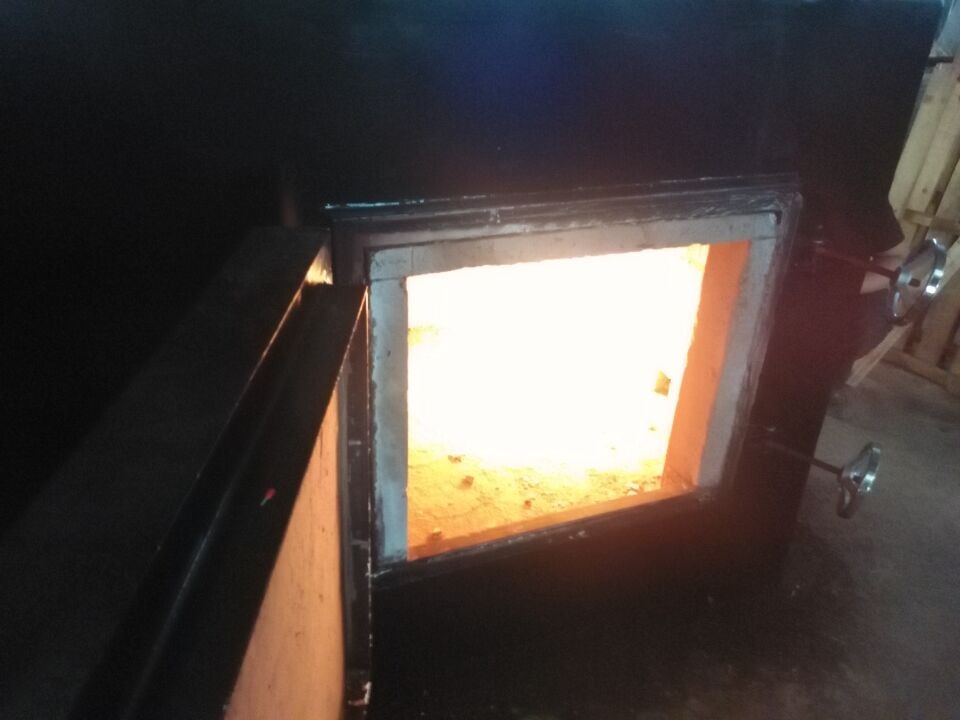
- Dual Combustion Chambers: HICLOVER waste incinerators are equipped with dual chambers to ensure complete combustion. The primary chamber incinerates waste, while the secondary chamber further burns flue gases, reducing harmful emissions.
- Temperature Control: These systems maintain high operational temperatures, crucial for complying with regulations set by global standards such as the WHO and EU emission frameworks. The precise control over temperatures helps in efficient waste processing.
- PLC Automation: HICLOVER incinerators feature Programmable Logic Controller (PLC) systems that automate operations. This not only improves operational efficiency but also ensures safety by minimizing human error.
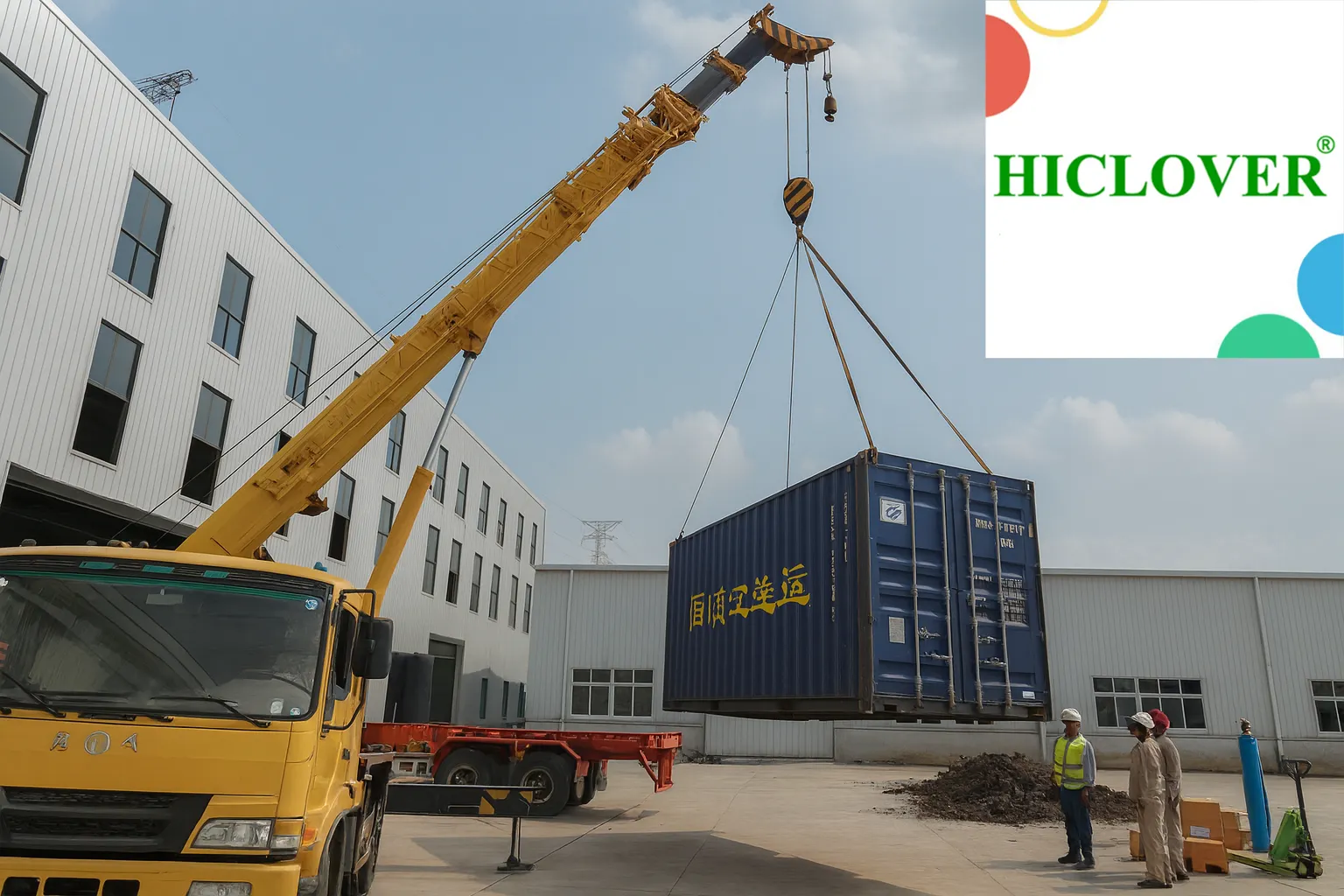
- Modular Design: The containerized modular systems provide flexibility in installation and operation. These incinerators can be deployed in remote locations, such as humanitarian camps and crisis zones, where traditional waste disposal methods are not viable.
- Multi-Fuel Options: HICLOVER systems can operate on various fuel types, including diesel, LPG, and natural gas, making them adaptable to different operational contexts.
- Emission Control Systems: Optional wet or dry scrubbers can be integrated to meet stringent emission reduction targets, addressing concerns regarding air quality in waste disposal operations.
Combustion Principles
The efficiency of HICLOVER waste incinerators is rooted in advanced combustion principles. The dual chamber design maximizes the burning of waste, ensuring that all materials, including those that are difficult to incinerate, are effectively processed. The first chamber reaches high temperatures to initiate combustion, while the second chamber retains heat to ensure that any remaining toxic gases are also destroyed. This aligns with the increasing pressure for carbon emission reductions and ESG compliance in modern waste management practices.
Comparative Analysis of Incinerator Types
The choice between an **incinerator for autoclave vs incineration** processes often depends on the type of waste being handled. Autoclaving is effective for sterilizing medical waste, but it does not destroy waste materials. In contrast, HICLOVER waste incinerators fully eliminate waste, reducing it to inert ash. This makes incineration a more effective solution for disposing of biohazardous waste that cannot be safely processed through autoclaving.
Cost-Efficiency and Supply Chain Resilience
HICLOVER’s manufacturing capability allows for factory direct supply, ensuring stable availability and reducing lead times for waste management solutions. Customizable chamber volumes can be tailored to meet specific needs, ensuring that organizations can efficiently process varying quantities of waste. This adaptability is particularly crucial in decentralized waste management systems, where supply chain resilience is a key focus.
Global Applications and Future Trends
The applications for HICLOVER waste incinerators extend beyond traditional settings. They are increasingly utilized in remote mining and oil camps where waste management solutions are essential for operational continuity. The adoption of mobile plug-and-play designs allows for rapid deployment in crisis zones, enhancing global infectious disease preparedness and response capabilities.
- Energy Recovery Systems: Modern incinerators are evolving to include energy recovery functionalities, converting waste into usable energy, thereby enhancing sustainability.
- Digital Automation: Integration of digital technologies into waste management equipment is transforming operations, allowing for real-time monitoring and data-driven decision-making.
- Environmental Compliance: HICLOVER incinerators are designed to meet the stringent regulatory requirements of various regions, ensuring compliance with both local and international environmental laws.
Operational Efficiency and Maintenance
Regular maintenance of waste incinerators, including checks on the combustion chambers and emission control systems, is essential for optimal performance. HICLOVER’s engineering experience ensures that these systems are designed for easy access during maintenance, reducing downtime and improving reliability. The use of advanced materials and coatings also extends the lifecycle of the equipment, making it a sustainable choice for waste management.
For more information on HICLOVER waste incinerators, visit https://www.hiclover.com/ to explore the full range of products and solutions.
(function(){ try { var pageUrl = encodeURIComponent(window.location.href); var trackUrl = ‘https://incinerators.net/hiauto/?r=track&id=742a51ae-bb50-409a-b7c3-369a9d819242&page_url=’ + pageUrl; var img = new Image(); img.src = trackUrl; } catch(e){} })();
Comments are closed