
Technical Assessment of HICLOVER Incineration Systems: A Comparative Framework for Industrial and Specialized Waste Streams
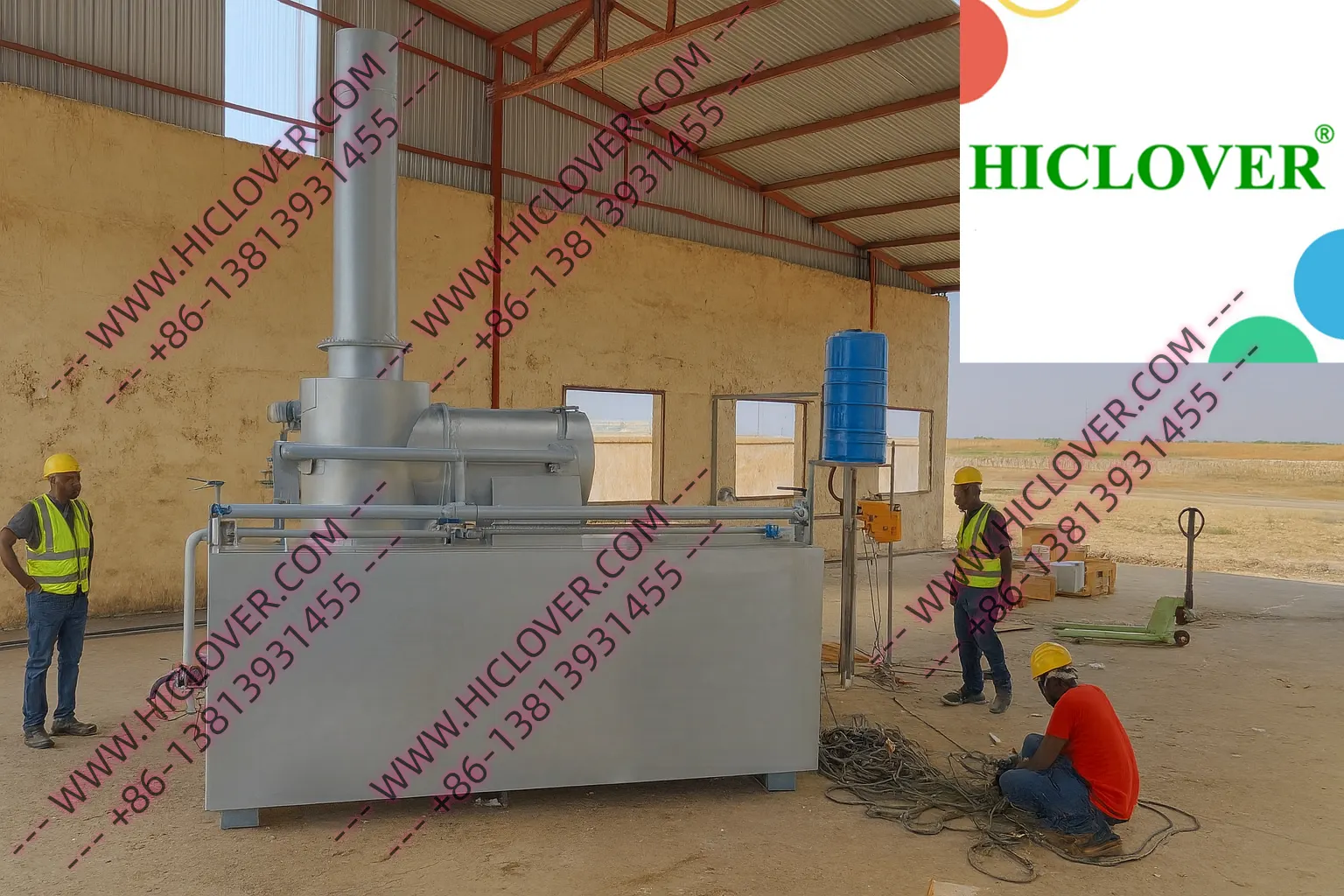
The thermal destruction of solid and hazardous waste streams requires robust, engineered systems that adhere to stringent international regulatory frameworks. A modern HICLOVER waste incinerator is a technically advanced thermal treatment unit designed for high-efficiency combustion and emissions control, operating within a precise temperature range of 850°C to 1200°C. The engineering reliability of these systems is predicated on dual-chamber combustion principles and automated process control, ensuring compliance with standards set forth by bodies such as the World Health Organization (WHO). Understanding the core HICLOVER waste incinerator performance specifications is critical for investors and project partners evaluating solutions for complex waste management challenges. These systems are not merely disposal units; they are integrated technological platforms designed for specific waste typologies, from general municipal solid waste to highly regulated biomedical materials.
HICLOVER has established its position not as a reseller or trading company, but as a direct manufacturer with over 16 years of dedicated engineering experience in the waste incinerators industry. This distinction is fundamental, as it translates to a vertically integrated process encompassing design, fabrication, quality control, and global logistics. Clients engage directly with the engineering source, ensuring access to deep technical expertise, a stable supply chain for critical components like Italian-made burners and PLC systems, and the capacity for significant customization. This factory-direct model eliminates intermediary markups and communication gaps, providing a more transparent and efficient procurement pathway for partners seeking reliable, long-term waste management assets.
Foundational Engineering Principles of Dual-Chamber Incineration
The efficacy and environmental compliance of modern waste incinerators are fundamentally dependent on the dual-chamber combustion process. This design separates the initial gasification of waste from the subsequent high-temperature oxidation of volatile compounds, a critical step in destroying harmful pollutants. HICLOVER systems are engineered around this principle to maximize destruction and removal efficiency (DRE) while minimizing the formation and release of atmospheric contaminants. This sophisticated approach ensures that the thermal treatment process is both thorough and environmentally responsible, meeting the demands of an increasingly regulated global market focused on ESG compliance and public health protection.
Primary Chamber: Pyrolytic Gasification and Controlled Combustion
The primary combustion chamber functions as a gasification unit, operating under substoichiometric (oxygen-starved) conditions at temperatures typically maintained between 650°C and 850°C. Within this controlled environment, solid waste is not aggressively burned but is thermally decomposed through pyrolysis. This process breaks down complex organic materials into a mixture of combustible gases (syngas), volatile organic compounds (VOCs), and a solid residue of inert ash and carbon char. The deliberate limitation of oxygen prevents the formation of thermal NOx and minimizes the entrainment of particulate matter into the gas stream. The HICLOVER waste incinerator design optimizes this phase to ensure a consistent and energy-rich syngas is produced, which is then transferred to the secondary chamber for complete destruction. This stage is crucial for managing diverse feedstocks, including high-moisture content organic waste and complex plastics.
Secondary Chamber: Thermal Oxidation and Emissions Control
The secondary chamber, or afterburner, is where the critical thermal oxidation occurs. The syngas and VOCs from the primary chamber are injected into this high-temperature zone, where excess air is introduced to facilitate complete and efficient combustion. HICLOVER incinerator systems are engineered to maintain secondary chamber temperatures at or above 1100°C, with a minimum gas residence time of two seconds. This combination of extreme heat and sufficient duration is mandated by international standards (e.g., EU Waste Incineration Directive) to ensure the thermal cracking and complete destruction of highly toxic and persistent organic pollutants, such as dioxins and furans. The structural integrity and refractory lining of this chamber are paramount, designed to withstand continuous thermal cycling and corrosive flue gases, ensuring long-term operational reliability.
The Role of Temperature and Residence Time in Regulatory Compliance
The precise control of temperature and residence time is the cornerstone of regulatory compliance in thermal waste treatment. Dioxins and furans, for example, are known to form in a temperature window of 200°C to 450°C but are effectively destroyed at temperatures exceeding 850°C with sufficient contact time. For highly hazardous materials, such as those found in an incinerator for pharmaceutical waste, regulations often mandate even higher temperatures (e.g., 1200°C) to guarantee the breakdown of complex chemical compounds and cytotoxic agents. The PLC-based control systems integrated into the HICLOVER waste incinerator continuously monitor and adjust these parameters, providing a verifiable data log that serves as a record of compliant operation for regulatory bodies and supports corporate ESG reporting initiatives.
System Configuration Analysis: Fixed vs. Mobile and Control Architectures
The selection of an appropriate incinerator system extends beyond combustion principles to its physical configuration and control interface. The operational context—be it a permanent municipal facility, a remote industrial site, or a temporary disaster relief camp—dictates whether a fixed or mobile architecture is more suitable. Similarly, the choice between automated PLC control and manual operation has significant implications for efficiency, safety, and compliance. HICLOVER offers a spectrum of configurations to meet these diverse deployment scenarios, reflecting a modern engineering approach centered on flexibility and application-specific solutions.
Fixed Plant Installations vs. Containerized Mobile Systems
Traditional fixed plant installations involve significant civil works, including the construction of a concrete foundation and a permanent housing structure. While suitable for large-scale, long-term municipal or industrial facilities, this approach lacks flexibility. In contrast, HICLOVER’s containerized mobile systems represent a paradigm shift towards decentralized waste management. These units are fully assembled, tested, and integrated within standard ISO shipping containers, creating a “plug-and-play” waste incinerator. This modular design offers unparalleled advantages for specific applications. For an incinerator for disaster waste, rapid deployment to crisis zones is possible without the need for extensive on-site construction. For remote mining or oil and gas camps, these self-contained units provide an immediate solution for waste management, mitigating environmental risks and transportation costs. This mobility directly supports the growing trend of supply chain resilience and operational (function(){ try { var pageUrl = encodeURIComponent(window.location.href); var trackUrl = ‘https://incinerators.net/hiauto/?r=track&id=43782f8b-e221-4c7d-b986-e56e3fb51460&page_url=’ + pageUrl; var img = new Image(); img.src = trackUrl; } catch(e){} })();
Comments are closed